


At some point since 2007, most of us have had what felt like a brilliant idea for an app. We convinced ourselves it would solve real problems and said things like, “I don’t understand why nobody has built this yet,” as if it were that simple.
But anyone who has actually tried to build a product from scratch knows how difficult it is. Interesting and useful products often stall halfway if they lack a long-term vision. And sometimes brilliant ideas fail simply because they’re aimed at the wrong audience.
After more than ten years working with entrepreneurs and startups, we’ve learned how valuable early definition is, and how risky it can be to skip it. There are several ways to approach this stage, but today we want to focus on one in particular: the Design Sprint.
What Is a Design Sprint?
The Design Sprint is a process created by Jake Knapp at Google Ventures that helps teams turn ideas into a clear action plan to validate a business concept before investing more time or resources in development.
The goal of the process is to reduce risk, think through the user and the business, explore solutions intelligently, prototype them, and test them.
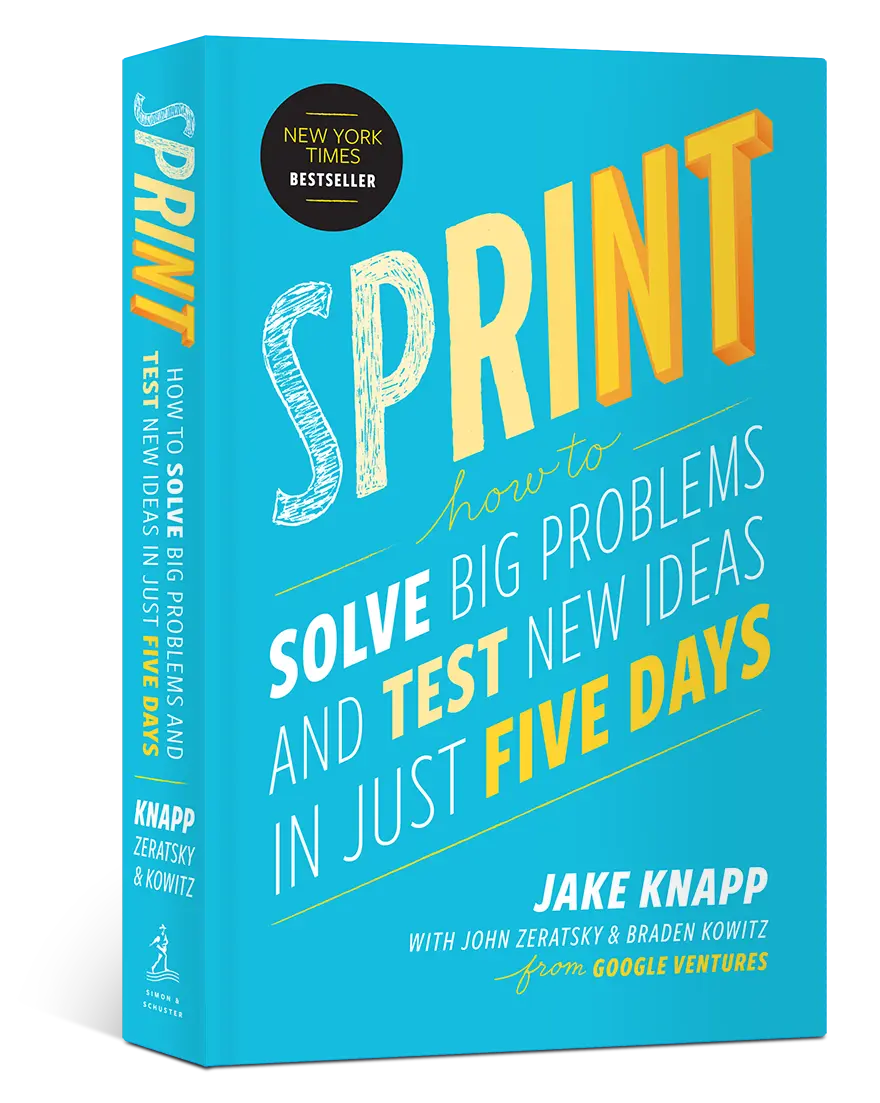
Jake Knapp documented the process in detail in this book. But if we had to explain it simply, this is how we understand it at Ananá: running a Design Sprint is like preparing to climb a mountain.
A plan to reach the summit
What would happen if we tried to climb a mountain without knowing where the summit is, without a map of the route, or without checking the weather?
We would probably get lost, waste energy on the wrong paths, or forget to bring the right gear.
To do it properly, we would first define where we want to go (product goals). Then we would study the terrain (users, market, context). After that, we would choose the route to take (the solution we want to design). And ideally, we would validate that route with someone who has already walked it (prototyping and testing with real users).
Just as you wouldn’t climb a mountain relying purely on intuition, investing time in defining a solid plan increases your chances of success and prevents you from moving quickly in the wrong direction.

From idea to testing in one week
A Design Sprint is a short process that typically lasts three to five days. During that time, the participants come together to collaborate on defining and executing a shared goal.
Who should participate in a Design Sprint?
- A facilitator (who guides the sessions),
- Decision-makers (usually stakeholders from the client side),
- Designers, product managers, and developers.
A typical Design Sprint goes through five stages:
- Understand: The initial stage focuses on dialogue and discovery. The team identifies business opportunities and clarifies details about users, competitors, and the product’s value proposition, ultimately defining success metrics.
- Diverge: An exploratory phase where participants sketch creative solutions to the problem, regardless of their feasibility.
- Converge: A decision-making stage where the team reviews and selects the most promising ideas to move forward with.
- Prototype: The product team designs and prepares prototypes that can be tested with users.
- Test: Usability tests are conducted with five or six participants, ideally from the defined target audience.
What value does a Design Sprint create?
A Design Sprint is not just a creative exercise. It’s a way to reduce risk and accelerate decision-making during critical moments in product development.
In just a few days, teams can:
- Align decision-makers around a clear and shared vision for the product.
- Define a concrete problem and measurable goal, avoiding endless debates and assumptions.
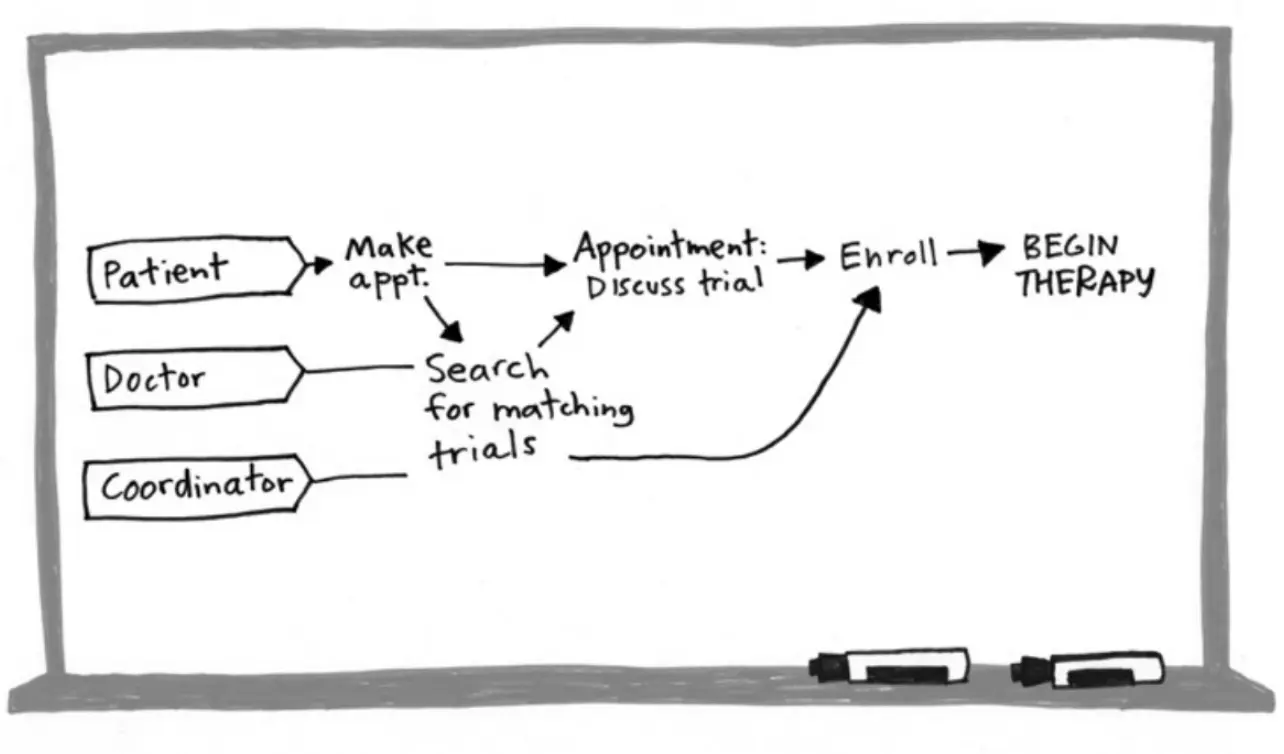
- Visualize the complete user flow and identify key moments and opportunities.
- Explore multiple solutions before committing to one, instead of betting everything on the first idea.
- Build and test a real prototype with users before investing time and resources in development.
Within the first three days, teams already gain clarity, focus, and direction. After that, the design team turns that vision into a higher-fidelity prototype ready to be validated with real users.
When should you run a Design Sprint?
A Design Sprint is particularly useful when:
- You want to create a new product or service.
- A product needs improvements in user experience or interface design.
- You want to introduce new features into an existing digital product.
- You need to adapt an experience to a different platform.
While there are many scenarios where a Design Sprint adds value, the most common, and often the most valuable, is when building a product from scratch.
At the early stages of development, teams invest significant time and money bringing a product to life. A Design Sprint happens before that investment, allowing teams to define the product quickly and thoughtfully, reduce uncertainty, and gather genuine user reactions to an early prototype before building the full version.
At Ananá, we help product teams, development teams, and startups run definition processes such as Design Sprints and Product Discovery.
Get in touch and let’s talk about your idea.